
Mecklenburg County Warrant Checks
Mecklenburg County posts no public sheriff active-warrant roster, so a warrant check starts with court records. Open the Virginia Judiciary Online Case Information System for any known case. Traffic or adult misdemeanor? Use the General District Court search for those. Enter the name from the court paper, the case number, or a hearing date, and select Mecklenburg in the court selector. Keep the summons, citation, or notice beside you and call the clerk for the court that owns the case. Ask which office handles the next step for a new warrant or a bail question. Save 911 for emergencies, not records questions.
- Search OCIS by the name or case number. Read its data notice.
- For adult traffic or misdemeanors, use the GDC name, case, or hearing-date search.
- Choose Circuit for an indicted felony or J&DR for its cases; juvenile access is limited.
- Call the issuing clerk. Use sheriff FOIA only for sheriff-held records.
- Ask the clerk if issuance or bail belongs with a magistrate; consult a lawyer on next steps.
Mecklenburg County Court Warrant Search Views
OCIS asks you to pick Court Level, Court, and Search By before searching a name, case number, or hearing date. The result list may show the court, case number, defendant, offense date, hearing date, charge, and code section. Opening a case adds hearing, disposition, and service-of-process groups. GDC also offers Current, Archived, and All. The GDC search help gives sample patterns such as GT00000000-00 for traffic, `GC` for criminal, and `GV` for civil. Those are case-number patterns, not warrant numbers. Nor do they prove an active warrant. Searching All can surface an older Mecklenburg County case, but it cannot build a complete warrant inventory. The official OCIS landing page shows the entry point and its terms notice. Mecklenburg County cases appear there under their own court.
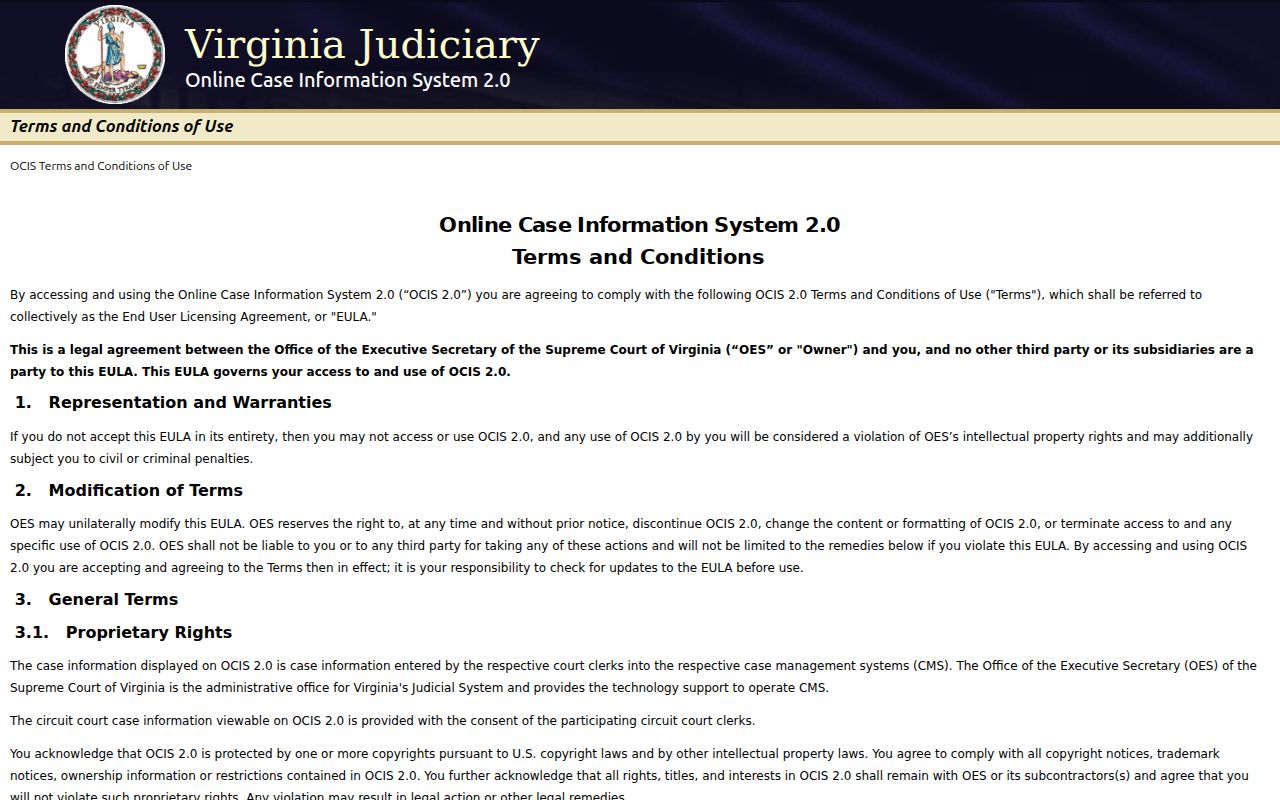
Read that terms notice before trusting any online result as current; a Mecklenburg County clerk confirms the actual court record.
Warrants in Mecklenburg County: The Main Types
Virginia process depends on the case and court. A magistrate may issue an arrest warrant after reviewing a sworn complaint and finding probable cause. A judge may issue process after a missed court date or a failure to comply. The labels matter. A bench warrant follows a court obligation, while an arrest warrant authorizes custody on probable cause. Traffic cases can bring a court warrant too. A separate DMV consequence may follow a failure to appear. A capias or show-cause entry names a process category, so ask the issuing court in Mecklenburg County what your particular entry requires.
| Warrant Type | How It Arises | Who Issues It |
|---|---|---|
| Arrest warrant | Sworn complaint and probable-cause finding | Magistrate or judge |
| Bench / FTA process | Missed hearing or court requirement | Issuing court |
| Search warrant | Application for a search under Virginia law | Authorized judicial officer |
| Capias / show cause | Court process tied to a case or order | Issuing court |
Mecklenburg County Capias Warrant Terms
Mecklenburg General District Court reports use `CA` for capias and `SC` for show cause. Those codes label aggregate case activity. They cannot tell you a warrant is active, recalled, or ready for payment. Only the clerk can interpret the individual case entry. A code belongs to the docket field where it appears. Keep the case number with it when you ask.
- Failure to appear
- A missed required court date or appearance.
- Capias
- A court process term used in Virginia criminal cases.
- Show cause
- A court order to explain why a required step was not taken.
- Recall or quash
- A court action that withdraws or sets aside process.
Mecklenburg County Warrant Records: What They Show
Public court information is case-centered. A result can tie a name to a court, case number, charge, code section, offense date, hearing date, or service-of-process group. A details screen may add a disposition. The OCIS help warns that the clerk enters the data, and that entries may be inaccurate, incomplete, or out of date. A displayed case number is not a warrant number. Bond terms and process status need direct confirmation. Use the case number to reach the right clerk. Never read a charge or hearing field in a Mecklenburg County record as proof of a current warrant; another Mecklenburg County office may hold different detail than the screen shows.
| Case number | GT00000000-00 is a GDC traffic case example, not a warrant number. |
|---|---|
| Name | Match the spelling on the summons or court paper, then confirm identity with the clerk. |
| Charge | OCIS can show the charge and code section on the case. |
| Court | Select the court level and Mecklenburg court that holds the file. |
| Hearing | The result can include an offense date and hearing date. |
| Process | Details may include service-of-process information; ask the clerk what it means now. |
Mecklenburg County Warrant Roster Search
Mecklenburg County offices list sheriff phone and records contacts, but no public name-search warrant form, active list, or most-wanted roster exists here. An empty OCIS or GDC search can simply mean the case sits in another court or the data is not displayed online. Adult traffic or misdemeanors? Call GDC. Indicted felonies go to Circuit, J&DR matters to that clerk, and the sheriff answers questions about its records and service work.
Mecklenburg County Warrants: Who Issues, Who Serves
Virginia's Circuit Court handles felony cases after indictment and related circuit records. GDC handles adult traffic, misdemeanors, and preliminary felony hearings. J&DR covers juvenile, family, and support cases. Magistrates issue arrest and search warrants, certain civil process, summonses, and subpoenas, and they conduct bail hearings. The sheriff provides Mecklenburg County law enforcement and court security, with officers trained for high-risk warrant service. Town police may serve process too. The clerk keeps the file. The magistrate handles issuance or bail, the sheriff handles law-enforcement service, and no two Mecklenburg County offices answer the same question.
Mecklenburg Sheriff's Office
911 Madison Street
Boydton, VA 23917
(434) 738-6171
Boydton Warrant Cases Use County Courts
Warrant cases that carry a Boydton label still run through county offices. The sheriff, General District Court, and J&DR Court all share 911 Madison Street. Circuit Court sits at 393 Washington Street. Magistrate service is posted at the regional jail in Alberta, plus a Boydton satellite on Prison Road. That geography helps route a call, but it creates no town warrant counter or walk-in clearance window. Ask the court or magistrate which office owns the next step. The county's towns page maps every incorporated place in Mecklenburg County.
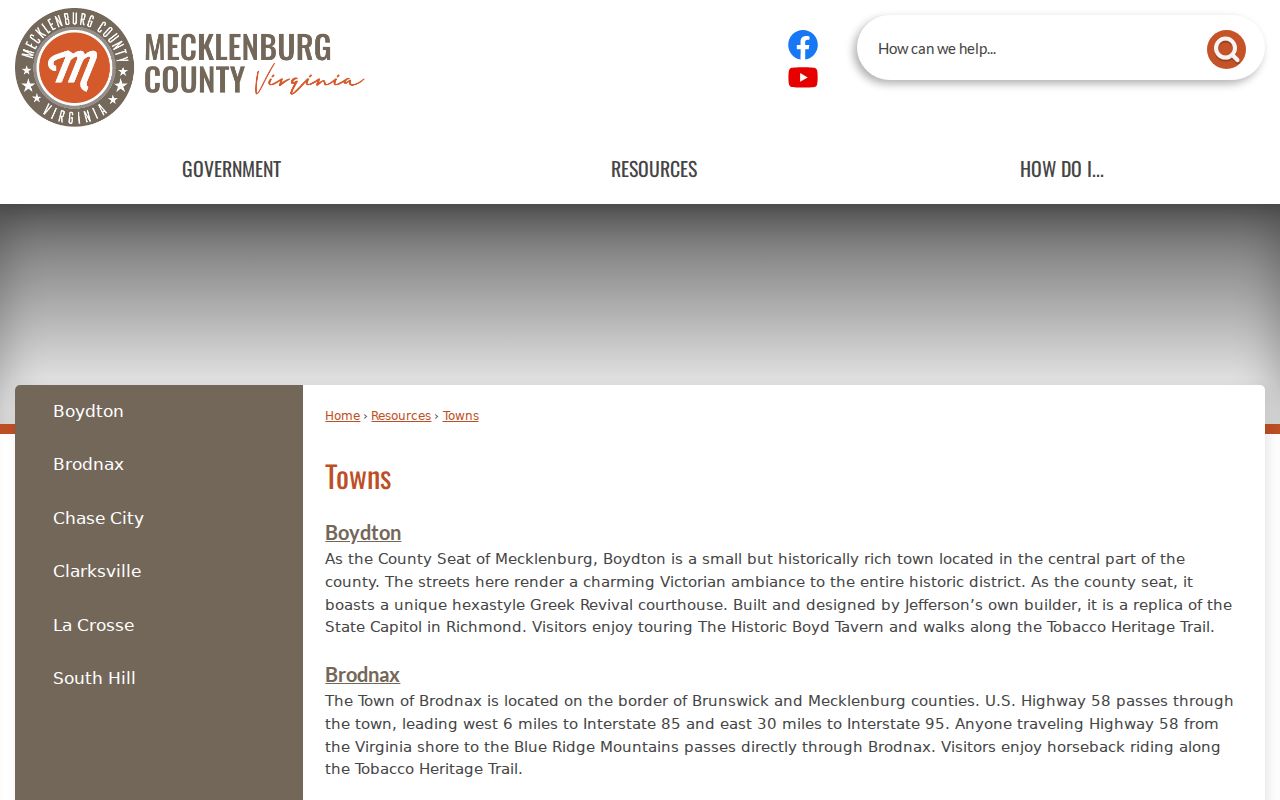
In Mecklenburg County, a docket label can name one town while the court office that answers sits in Boydton.
Mecklenburg County Town Warrant Docket Calendar
Mecklenburg County dockets follow a set rhythm. South Hill town matters appear on second and fourth Mondays, while Boydton, Chase City, Clarksville, and La Crosse use first and third Mondays. State Police cases take a Tuesday setting. Sheriff's-department cases take Thursdays. These recurring labels describe the calendar, never a promise about one case's date, so follow the date on a summons or confirm it with the clerk. If a date was missed, ask the clerk promptly whether failure-to-appear process now shows, because the docket pattern alone cannot establish warrant status.
Handling a Mecklenburg County Warrant
Save the case number first. Then identify the issuing court. Ask its clerk what process appears, whether another date or motion is needed, and whether the magistrate handles bail. A lawyer can advise on an appearance, a surrender, a bond request, or a motion to recall or quash. Mecklenburg County publishes no bond chart, no public surrender window, and no single accepted payment method. Rely on written court instructions. Take the required step, then verify the case update. A generic result or caller's demand never replaces the court's own directions.
Important: Before traveling to a courthouse, jail, or sheriff's office, confirm the right location and next step with the clerk or an attorney.
Mecklenburg County Traffic Warrants and DMV Holds
A traffic failure to appear can trigger court process and, once the court sends a certificate, a separate DMV action. Keep the two apart. A license suspension is not a warrant record. Mecklenburg County's payment page accepts eligible traffic or offense payments. Payment alone does not confirm that process was recalled or a case closed. Ask the GDC clerk about the case file. Ask DMV about the license. The same page routes eligible court payments and gives local extensions for other matters, but it publishes no warrant bond schedule.
Mecklenburg County Warrant Access Under Virginia Law
Virginia FOIA covers records that public bodies already hold, subject to exemptions. It does not make the sheriff answer a general question about whether some hypothetical person has an active warrant. A request should name the records with reasonable specificity. Case status still comes from the clerk for that case. Online court data can lag or run thin. Juvenile law-enforcement records get separate protection. Investigative material may be withheld under Virginia law. So a missing J&DR result or empty online search in Mecklenburg County may reflect a limit on public access, not a full answer about a person's case.
Key Rules:
Virginia Code § 2.2-3700 et seq. sets the public-records framework and its limits.
Virginia Code § 16.1-301 restricts access to juvenile law-enforcement records.
Virginia Code § 19.2-72 describes sworn complaints and probable-cause warrant issuance.
Mecklenburg County Warrant FOIA Route
For sheriff-held records, address a specific Virginia FOIA request to Major Brent Evans. Mecklenburg County accepts requests by mail, fax, email, in person, or phone. Written requests make the scope and delivery choice clear. The office has five working days to respond. A seven-day extension is possible when the office explains why more time is needed. Actual search, staff, copying, and supply costs may apply. Ask for an estimate first, since a deposit can be required above $200. FOIA reaches records the office holds; it never replaces the issuing court's answer on a case.
Mecklenburg County Warrant Payment Scams
Mecklenburg County warns that courts never demand warrant or fine payments by gift card, wire, cryptocurrency, Cash App, Venmo, phone, text, or email. An urgent arrest threat paired with an unusual payment request is the classic scam shape. Hang up. Find the number on an official page. Then call the court or sheriff yourself. Crime Solvers takes anonymous tips but cannot confirm a personal warrant. For case questions, contact the issuing clerk.
City Warrant Records in Mecklenburg County
South Hill, Chase City, Clarksville, La Crosse, and Boydton are the five incorporated places in the 2020 Census ranking. All five sit inside Mecklenburg County. Their public contacts differ. Even so, adult traffic and misdemeanor case status routes to Mecklenburg General District Court in Boydton. A town name on a docket does not mean that town runs a separate municipal court or warrant database. For local police questions, use the town contact. Use the clerk for case status. Each town profile explains its own phone, docket, and verification limits.
South Hill Warrants
4,690 residents in 2020 · Second and fourth Monday town docket; GDC clerk handles case status.
Chase City Warrants
2,053 residents in 2020 · First and third Monday docket; no separate town warrant portal located.
Clarksville Warrants
1,300 residents in 2020 · First and third Monday docket; verify the town police contact before travel.
La Crosse Warrants
614 residents in 2020 · Phone-first town contact; adult case status goes through GDC.
Boydton Warrants
302 residents in 2020 · County seat; verify the conflicting town police information by phone.
The Census incorporated-place table supplies the dated population figures behind each Mecklenburg County town profile's rank.
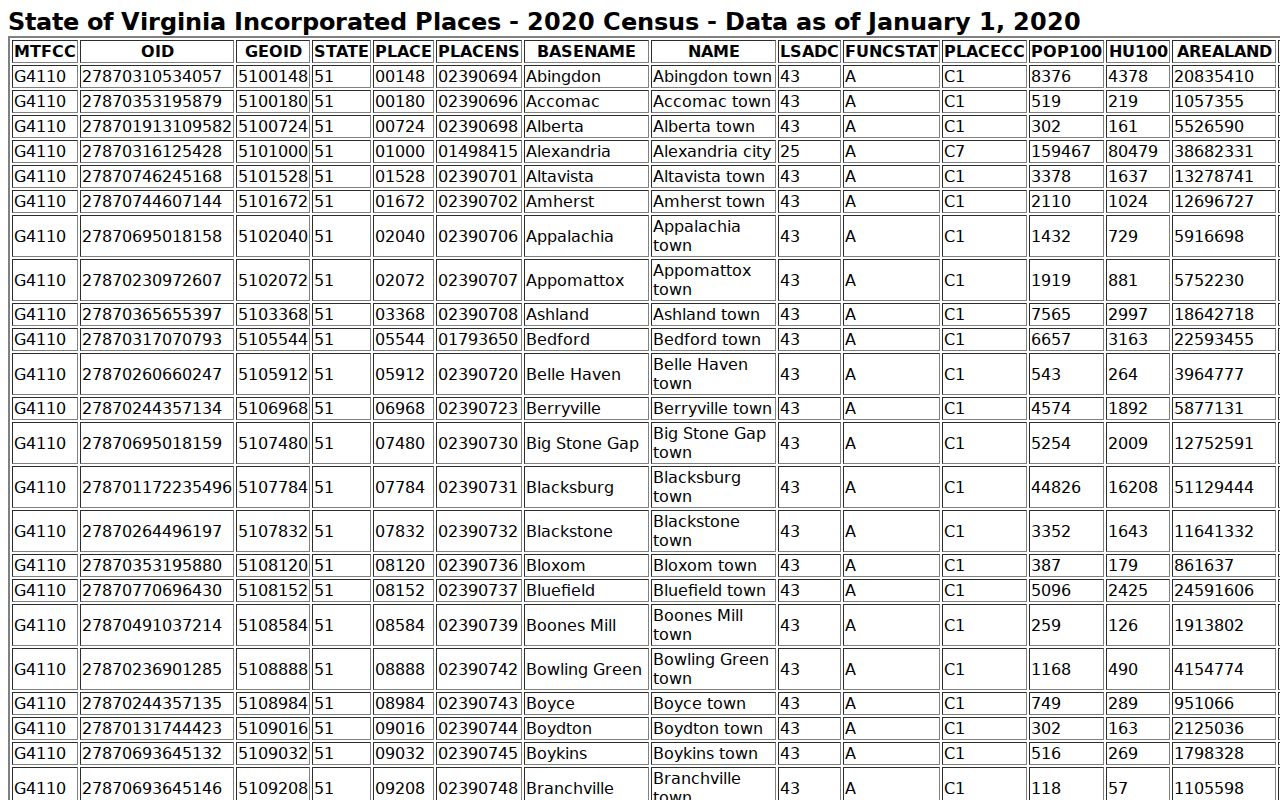
The 2020 ranking does not measure current population, court workload, or warrant volume.