
How Arrest Warrants Work in Mecklenburg County
An arrest warrant is a judge's order, not a suggestion. It authorizes an officer in Mecklenburg County to take a person into custody on the court's authority. Virginia Code section 19.2-72 lays out the groundwork: a complaint sworn under oath, an examination of the complainant or witnesses, and a warrant issued only when the magistrate or judge finds probable cause. The county's magistrate page lists arrest warrants among its functions. What it does not offer is a public warrant search, a timetable for issuance, or any promise that a complaint becomes a warrant. The court record and official confirmation control.
Mecklenburg County Arrest Warrant Probable Cause
The sequence is fixed by law. Someone swears out a complaint, and the judicial officer may question the complainant or the witnesses before deciding whether probable cause supports a warrant. That rule tells you the kind of review that happens in Mecklenburg County; it says nothing about a local judge's schedule or how long a decision takes. So go straight to the people who know. The clerk can tell you which court holds the case, and the magistrate handles issuance and bail while the clerk fields questions about the court's file. The county magistrate page lists its warrant and bail functions, which is a fair starting point before you call either office. If you believe an active warrant exists, ask the clerk first rather than guessing at the paperwork.
Arrest Warrants: What They Contain
What a case record actually shows varies. A public entry may list the court, the case number, the charge, the offense date, a hearing date, and service-of-process details. The online case systems offer no sample Mecklenburg County warrant and no warrant-specific field table. Treat a case number as a route to the clerk rather than a warrant identifier. Bond, exact process, and current service status all take official confirmation. An empty search result is not proof that no warrant exists, and a charge code cannot fill the gap.
| Case number | GC00000000-00 is a GDC criminal case example, not a warrant number. |
|---|---|
| Name | Match the person named on the official summons or case paper. |
| Charge | The OCIS result may show a charge and code section. |
| Court | Use the court selection to locate the office with the file. |
| Hearing | The case result can list an offense date and hearing date. |
| Process | Service-of-process detail may appear; ask the clerk to explain the current record. |
Mecklenburg County Arrest Warrant Records
Start with what OCIS and the General District Court interface really are: case systems, not a warrant-only portal. The GDC help cites `GC` as a criminal case-number pattern, but matching that pattern does not mean a warrant ever issued. The court clerk can pull the entry and tell you whether process is recorded in Mecklenburg County. Some material stays closed while a matter is active. Virginia's law-enforcement exemption can shield records when disclosure would harm an investigation, a fair trial, a confidential source, a technique, or safety. A public search, in short, cannot reveal every nonpublic step behind an outstanding warrant.
How Warrants Get Served in Mecklenburg County
Service in Mecklenburg County falls to more than one office. The Sheriff's Office provides court security and fields specialized officers for high-risk warrant service. Town police serve process that comes out of their own work too. Virginia law lets an authorized officer execute a warrant or capias anywhere in the Commonwealth. No county service timetable exists, and not every return lands online. After service, the case moves through the proper court and magistrate process. Ask the court or a lawyer about the next appearance and any release conditions. A booking entry, a payment, and a court disposition are three different updates, so do not treat one as the others. For felony files in Mecklenburg County, the Circuit Court page identifies the clerk's route and shows the office that answers.
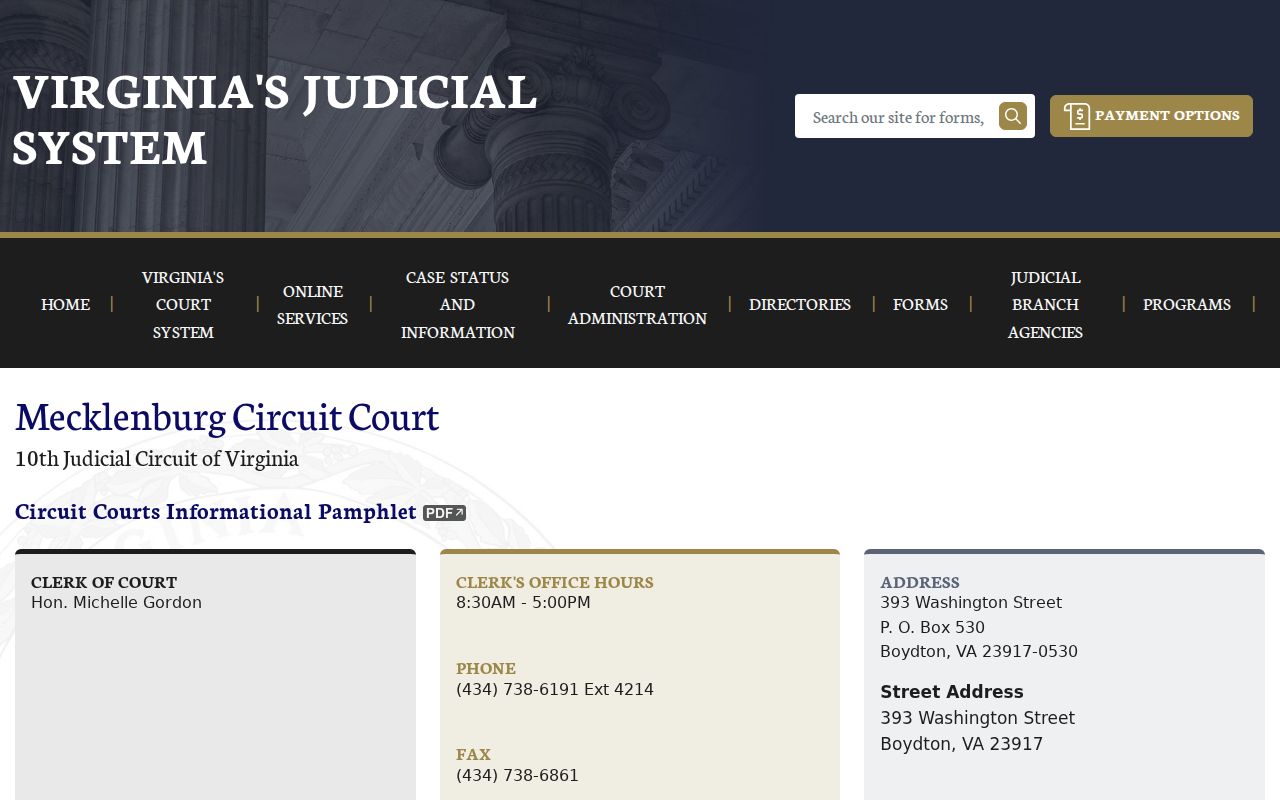
Split the paperwork by court. An indicted felony file belongs to the Mecklenburg County Circuit Clerk, while ordinary adult traffic and misdemeanor matters go to the GDC clerk.
Mecklenburg County Arrest Warrant Service Role
The sheriff's own page confirms a local service role, from court security to high-risk warrant work. What it does not publish is an active-warrant roster, an online service-return search, or a schedule for when officers serve an order. Contacting the office can route a question, but only the issuing court confirms its record. Addresses matter here. For Circuit Court criminal cases, the clerk sits at 393 Washington Street in Boydton. Adult GDC and traffic cases use the clerk at 911 Madison Street. A town police contact may help with a local service question in Mecklenburg County, yet it cannot replace the case clerk's status answer. Ask the clerk who holds the file.
Arrest Warrants, Summonses, and Bench Warrants
Three documents, three different jobs. An arrest warrant rests on probable cause and authorizes custody. A summons directs a person to appear without that immediate custody order, while a bench warrant follows a missed court obligation. Because each names a different process, ask the issuing court in Mecklenburg County what its entry means. More detail appears in the bench warrant section.
| Feature | Arrest Warrant | Summons | Bench Warrant |
|---|---|---|---|
| What it orders | Custody under a warrant | Appear at a named date or place | Return to court after a missed duty |
| Basis | Probable-cause review | Case-specific court process | Failure to appear or comply |
| Who issues | Magistrate or judge | Court process | Issuing court |
| How to respond | Confirm process with counsel and court | Follow the date on the summons | Ask about recall or a new date |
Mecklenburg County Federal Warrants Use Separate Dockets
Federal warrants never touch the county docket. Mecklenburg County sits in the Richmond Division of the Eastern District of Virginia, so federal case information follows federal court records rather than OCIS or the GDC search. PACER provides federal docket access and explains its fees, though it is not a complete public federal-warrant roster. The Richmond courthouse page gives location and security details for court business. Take a federal question to the federal clerk or to a lawyer familiar with the case. An empty county search says nothing about federal process. The federal court locations page identifies the Richmond courthouse information a visitor needs.
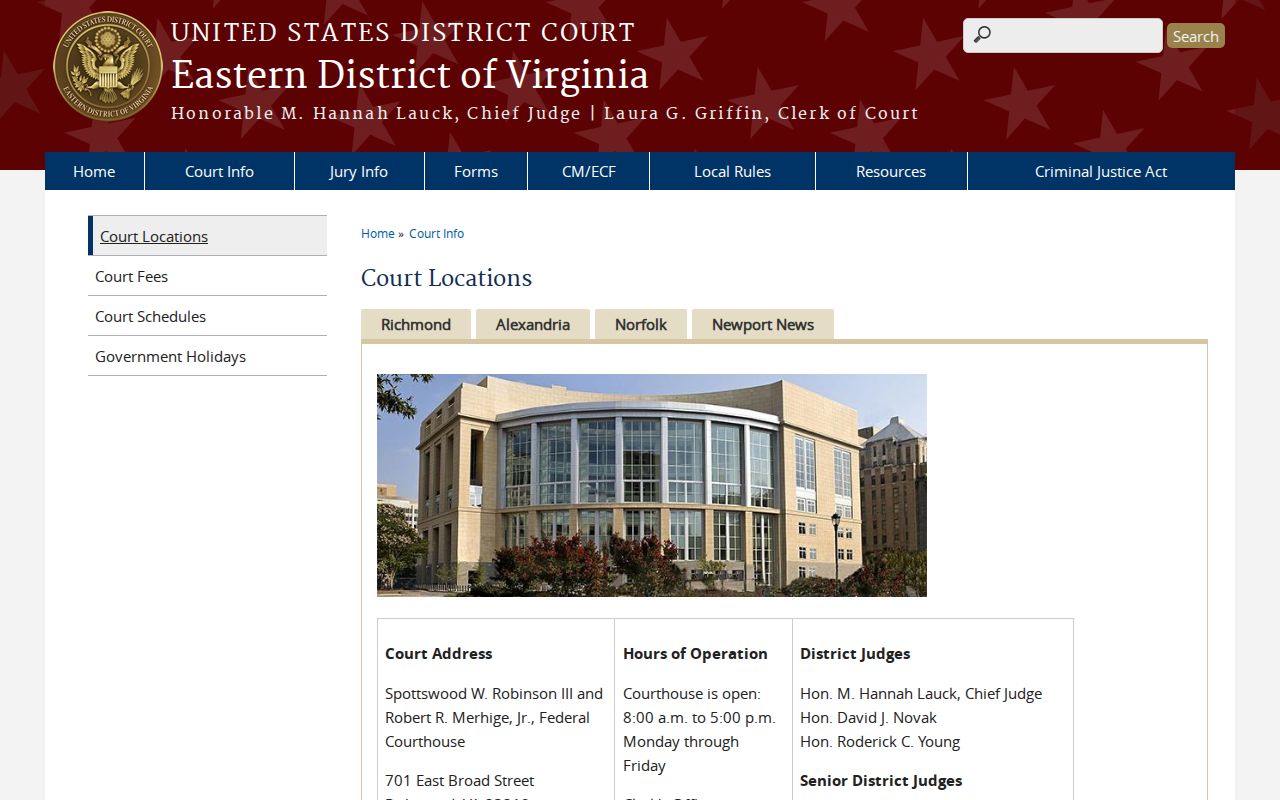
The federal route is distinct from a Mecklenburg County court case. PACER's fee page explains the charges for federal docket access.
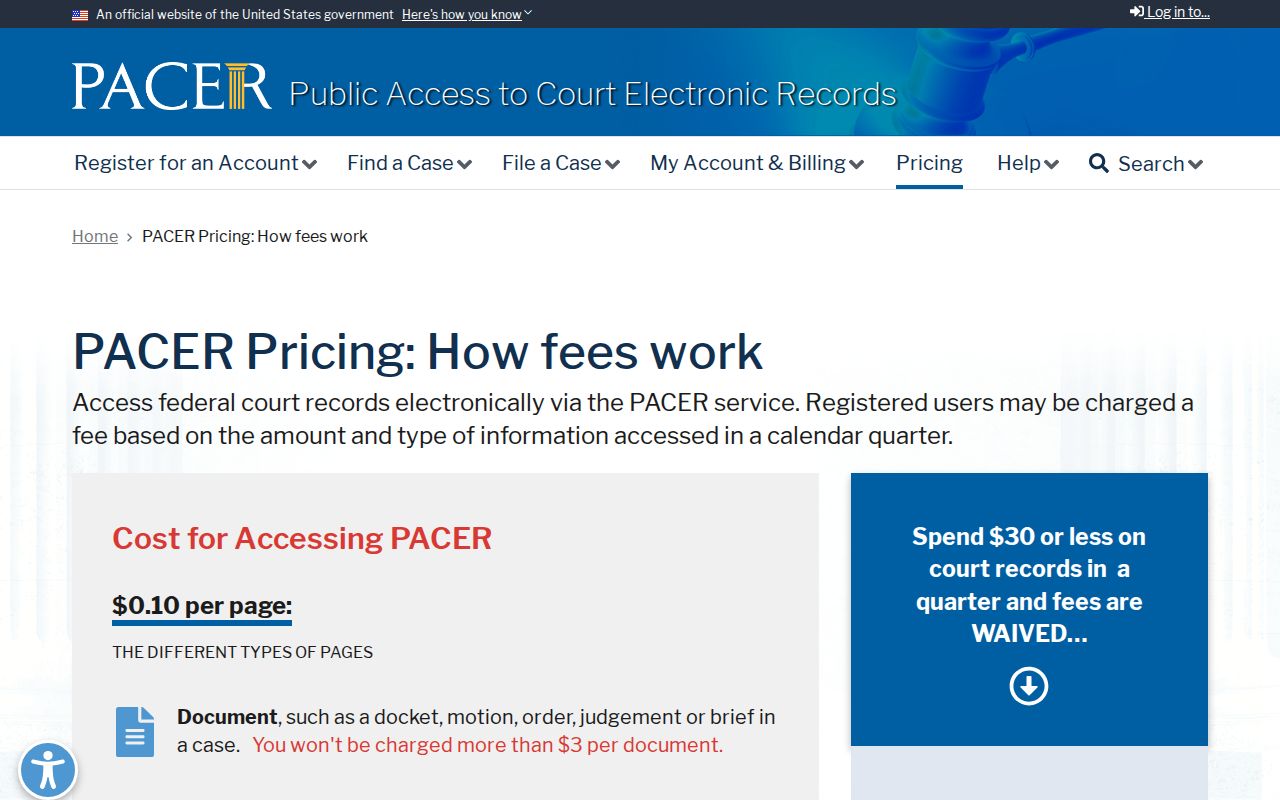
Docket access can show filed case information in Mecklenburg County's federal division, but it does not establish a full warrant inventory.
Mecklenburg County Warrant Returns Stay Court Based
Virginia law puts the return where the warrant came from. An officer who executes an arrest warrant must file that return with the issuing court, and the paperwork lives in the case file rather than on any public list. A Mecklenburg County warrant search can lag behind the paper record, so service entries and updates may not show up right away. Ask the clerk instead. Give the case number and ask whether the file shows service, a return, or a later hearing. General District Court keeps the adult traffic and misdemeanor files, while the Circuit Clerk holds felony matters after indictment. The online docket is a convenience only. It never replaces the court's own record.
Handling an Arrest Warrant in Your Name
Start by confirming the court and its exact process. Call the clerk for that court and ask whether a current warrant is open on the case, when the next appearance falls, and whether the magistrate sets bail there. A Virginia lawyer can shape the next move, whether that is a motion to recall, a voluntary surrender, or a bond question. Mecklenburg County posts no universal surrender window. No fixed bond amount, payment method, or walk-in procedure exists either. So call before you drive to a courthouse, jail, or the sheriff's office. Write down what they tell you, and confirm the court's record after any step you take.
Important: Before approaching an agency or making a surrender plan, confirm the issuing court and speak with a lawyer about the safest next step.